OTTAWALLS.art: Geospatial Advocacy and the Reclamation of Civic Space
A living archive mapping murals and street art across the National Capital Region (Ottawa, Gatineau). Built to celebrate artists, document their work, and strengthen the city's urban art community.
Overview
In a rapidly evolving city, street art, a vital form of democratic expression and cultural heritage, is often undocumented and lost. This project sought to catalog, visualize, and preserve this ephemeral public dialogue.
The Discovery: Reclaiming the Canvas (Urbanism & Design Thinking)
Before a single line of code was written, the OTTAWALLS project was born from a dissatisfaction with the status quo and a deep, global appreciation for the power of street art.
The Global Classroom: Learning from the Walls
My curiosity about the intersection of technology and civic life has always been fueled by firsthand observation of urban landscapes worldwide:
- I've witnessed the raw, sociopolitical power of murals dedicated to workers' rights in Lyon, and the intense, urgent anti-war commentary written on the walls of Tel Aviv and Paris.
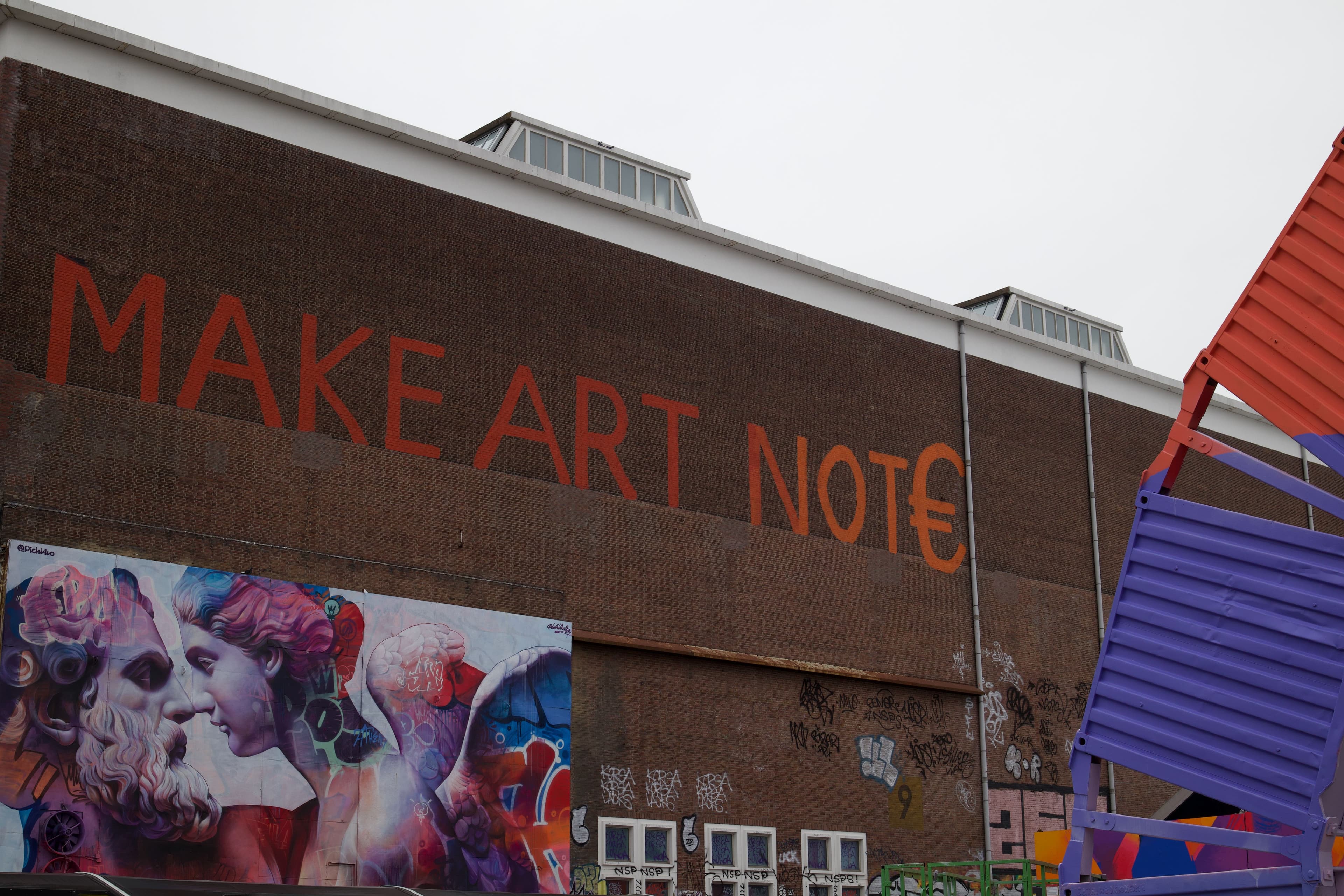
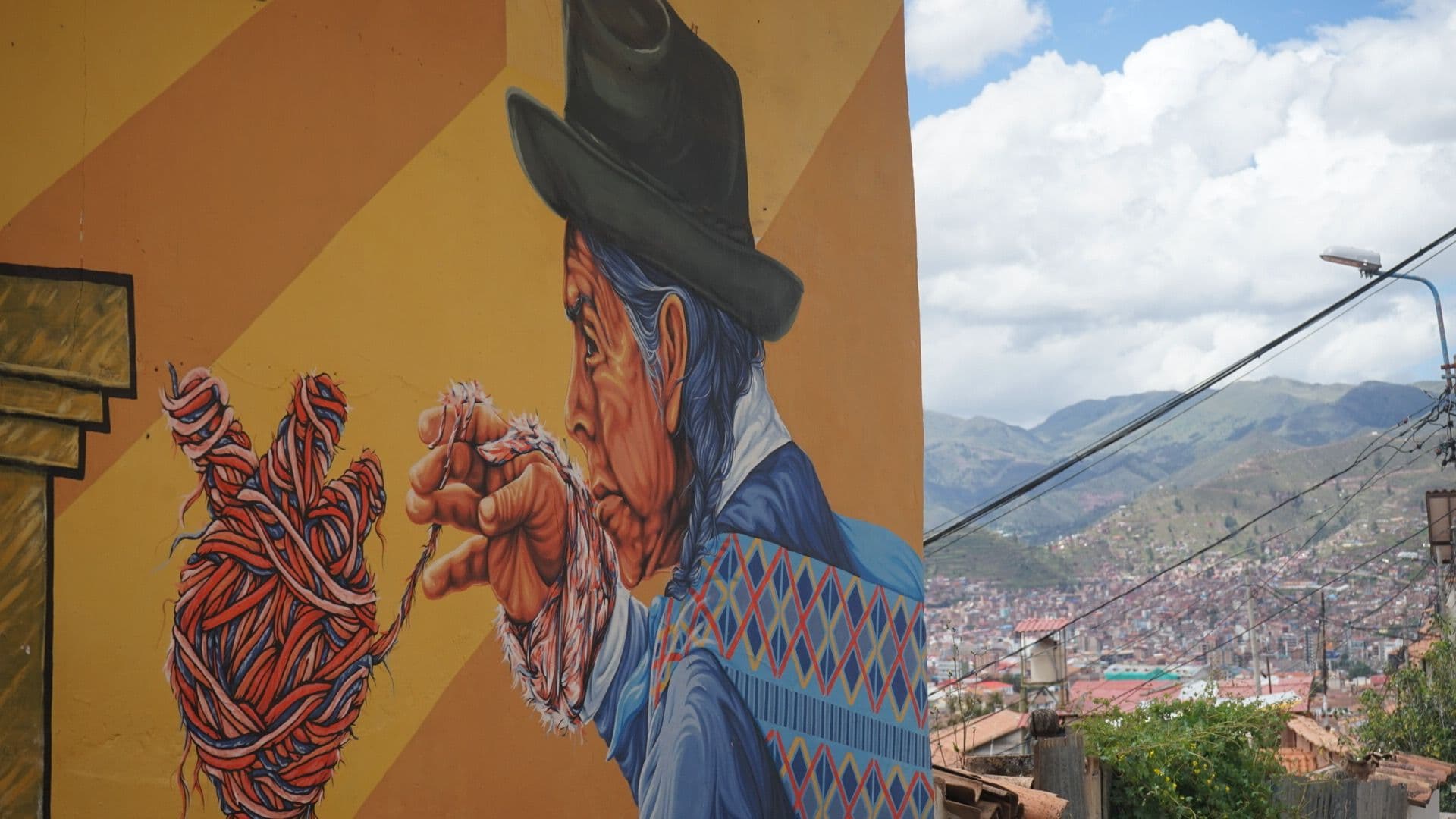
- I’ve explored the culturally unique, place-based expressions in Mira Flores, Lima, and studied the professionalized, curated installations from artists like Banksy and Shepard Fairey at the Straat in Amsterdam.
- I’ve seen the fascinating complexity of street art in Marrakesh, where large-scale, beautiful murals often exist in a controlled, institutionalized context.
- In cities like Atlanta and Chicago, I’ve observed the strong connection between street art, Black rights movements, and the foundational history of hip-hop culture.
This global exposure revealed a common truth: public art is a vital, democratic medium that reflects the history and contemporary issues of a physical place. Returning to Ottawa, I recognized a significant gap in my own city's relationship with its public walls and a lack of a long-lasting, quality digital archive.
The Challenge
The Civic Insight: The Ephemeral and the Uncredited
Ottawa's street art scene lacked the necessary infrastructure for longevity and recognition. Existing tools were functionally obsolete, often neglecting data quality, failing to provide a user-friendly experience, and most critically, failing the artists themselves.
The central civic challenge was twofold:
- The Corporate Wall & Visual Space Reclamation: The vast majority of visible civic space in the downtown core is passively consumed by generic, capitalist, and often soulless advertising. OTTAWALLS is an act of reclaiming this visual real estate by advocating that the city's walls should be used for local expression over corporate messaging. This project is a non-commercial statement about who owns the visual narrative of our city.
- The Loss of History: Street art is inherently ephemeral. If it's not archived, it's forgotten, resulting in the erasure of cultural history created on our physical landscape.
The Solution
The Blueprint: Engineering the Mark (Software & Geospatial Solutions)
The civic mission of OTTAWALLS demanded a robust, high-performance, and extensible technical stack. The site had to handle two major constraints simultaneously: the complexity of geospatial data and the high-volume load of media-rich content. My architecture decisions were rooted in solving for these real-world performance challenges while supporting a smooth mobile-first UX.
I chose a modern Jamstack approach built on performance and data flexibility:
| Technology | Purpose | Engineering Rationale |
|---|---|---|
| Next.js | Frontend, Static Generation & API Routes | Provided server-side rendering (SSR) for SEO optimization (crucial for artist discoverability) and powerful static site generation (SSG) for fast page loads. |
| Sanity CMS | Headless Content Backend | Offered a flexible, schema-driven data structure to capture rich, complex art metadata (artist credits, themes, precise locations) and managed large image assets efficiently. |
| Leaflet.js | Interactive Mapping Library | Lightweight, flexible mapping layer used to build a custom, performant, and feature-rich map experience superior to heavy, commercial alternatives. |
Geospatial and UX Solutions
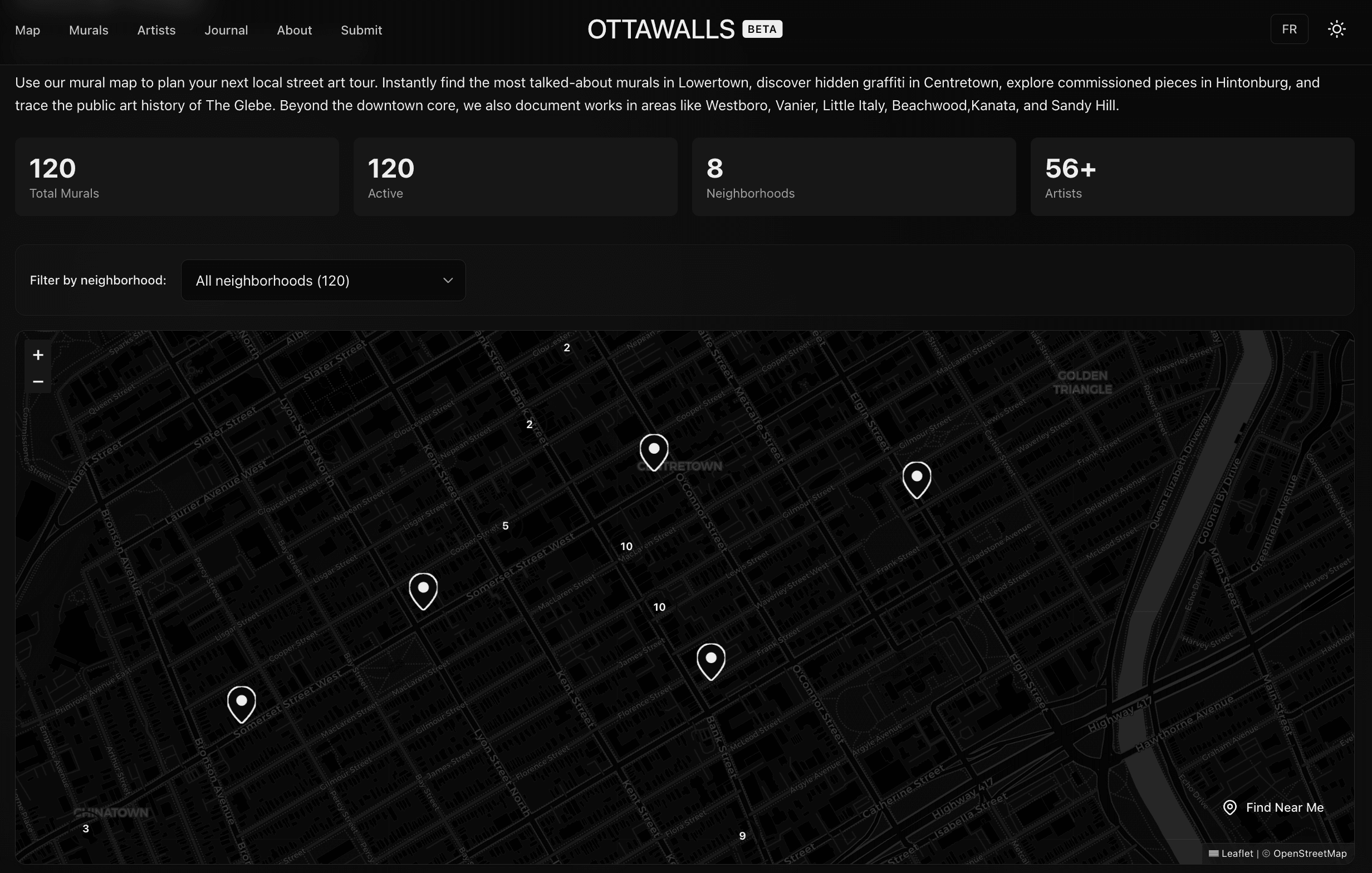
The primary geospatial challenge was ensuring a seamless experience in areas of dense art concentration, particularly for mobile users.
- The Overlap Problem: Standard map pins in heavy mural areas caused significant overlap, making individual pieces unclickable on mobile screens.
- The Clustering Solution: Implementation of the Leaflet.marker cluster plugin dynamically groups adjacent markers. This ensures a clean, fast map UX where users are guided to zoom in on clusters, leading to accurate location selection.
Performance and Data Rigor
As an image-heavy site, performance and data integrity were non-negotiable for a civic resource:
- Image Optimization: I utilize Sanity’s native image pipeline to handle responsive images, serving the smallest necessary size to each device and dramatically reducing mobile load times.
- Data Quality: Sanity CMS enforces data validation (requiring Artist Credit, Geo-coordinates, etc.), ensuring every archived piece meets a high standard of quality.
- Caching Strategy: I employ Next.js ISR to balance performance with data freshness. This allows newly documented murals to be published within minutes without requiring a full site rebuild, supporting the "living archive" concept of OTTAWALLS.
Results
The Legacy: Impact, Advocacy, and Vision
As a beta project rooted in a non-commercial, volunteer mission, OTTAWALLS is currently demonstrating its impact not through traditional web traffic metrics, but through the rigor of its data collection and the force of its advocacy-driven design. This platform is a proactive investment in Ottawa's public art future.
Measurable Outcomes (Pre-Launch Success)
- 150+ Artworks Archived: (As of writing) Personally documented, geotagged, and validated art pieces across the National Capital Region.
- High-Fidelity Data Standard: The custom Sanity schema now provides a data model robust enough to support future city planning requests, academic research, and self-guided public tours.
- SEO-Optimized for Advocacy: The deliberate use of Next.js and rich metadata ensures that OTTAWALLS achieves high-ranking search results, serving as a powerful, permanent digital record that elevates the artist's profile for future commissions.
The Future Vision
OTTAWALLS is more than just a map; it is a living archive designed to be the foundation for future civic action.
- The Advocacy Goal: The ultimate vision is to transition this index into a non-profit organization that uses data and community support to actively raise funds and commission new local artists, directly pushing back against the dominance of commercial advertising in civic spaces.
- The Technical Evolution: Future iterations will include commissioning an artist to create custom animations, weaving the energy of street art directly into the brand identity and design of the site itself, making the platform a digital work of art.
Through this project, I am demonstrating that software engineering is a potent tool for civic leadership.